1. Core Statistics & Current Situation
The following table outlines the critical data that defines the crisis:
| Aspect | Key Data / Facts |
|---|---|
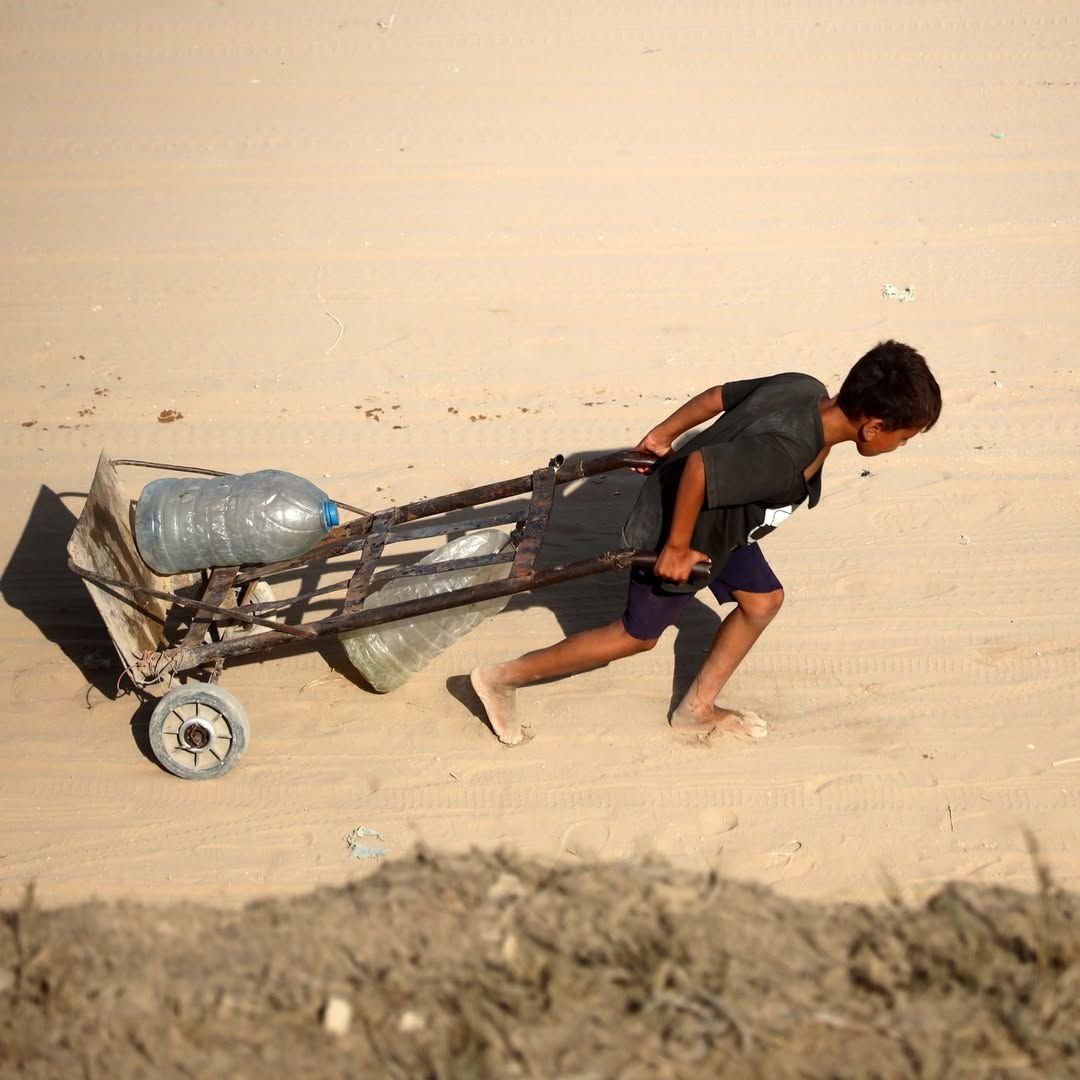
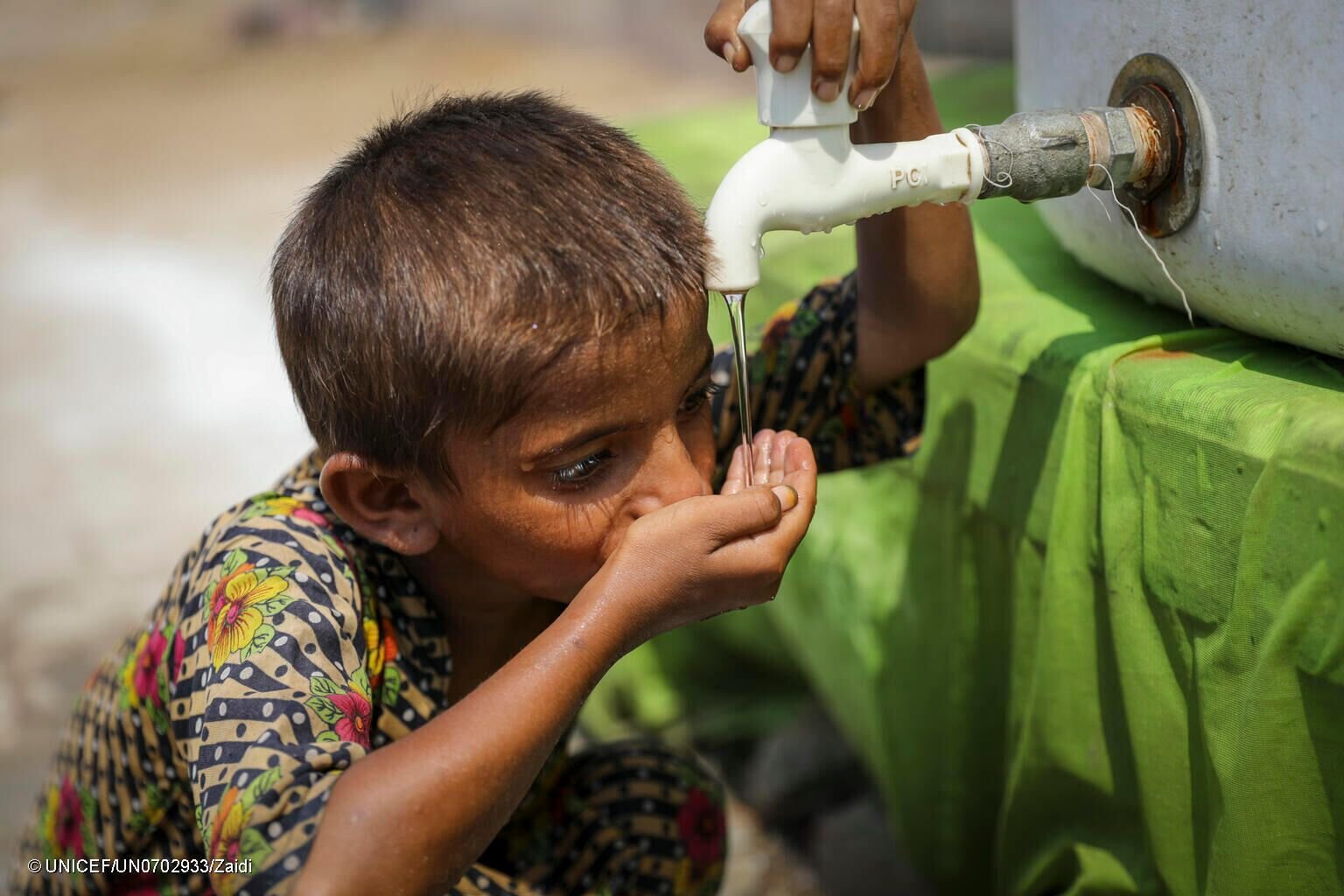
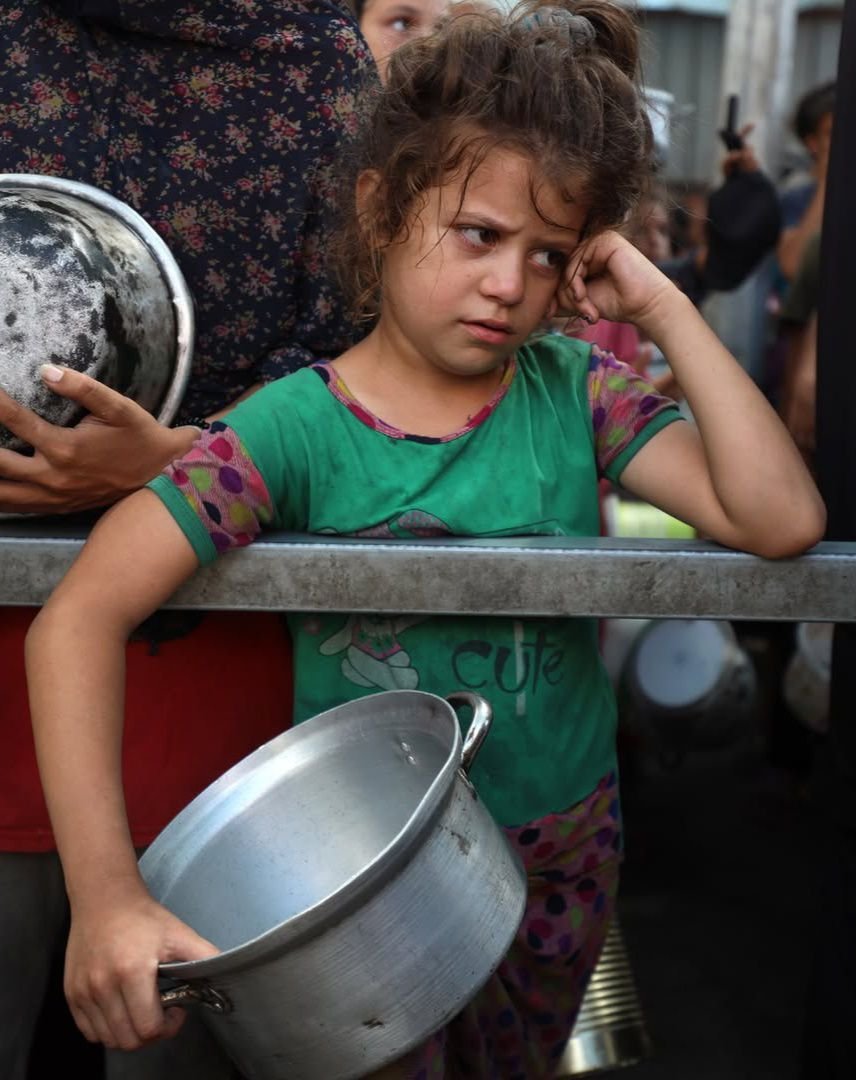
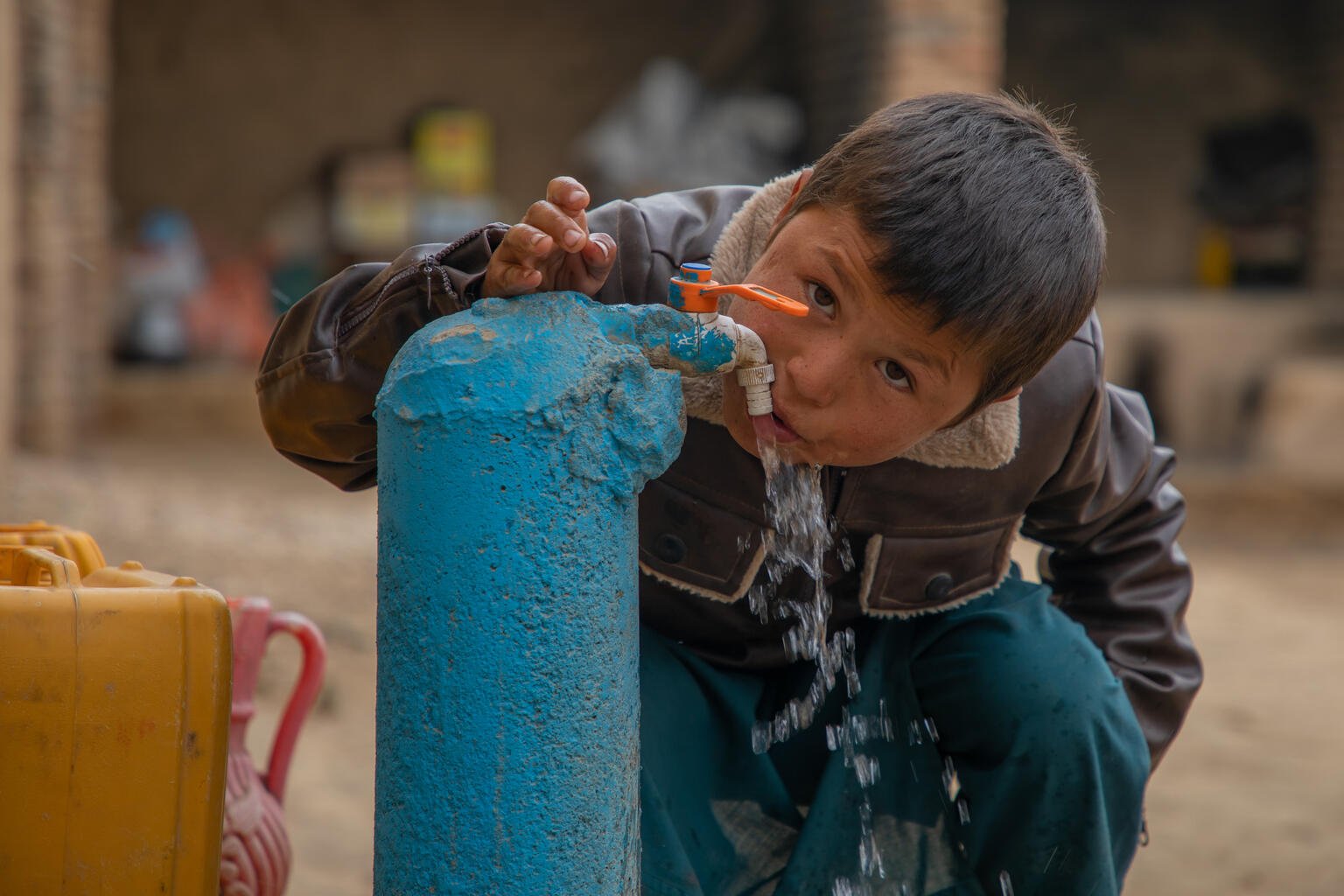
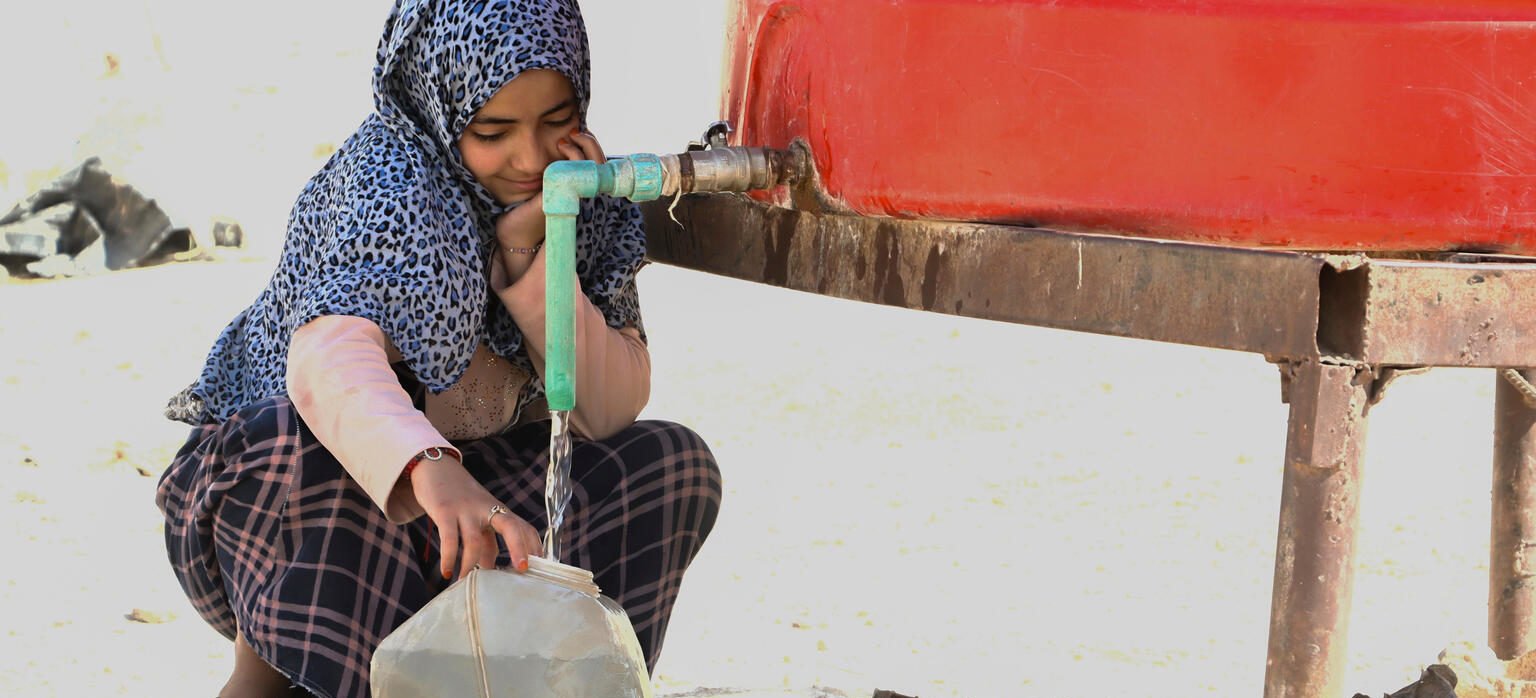
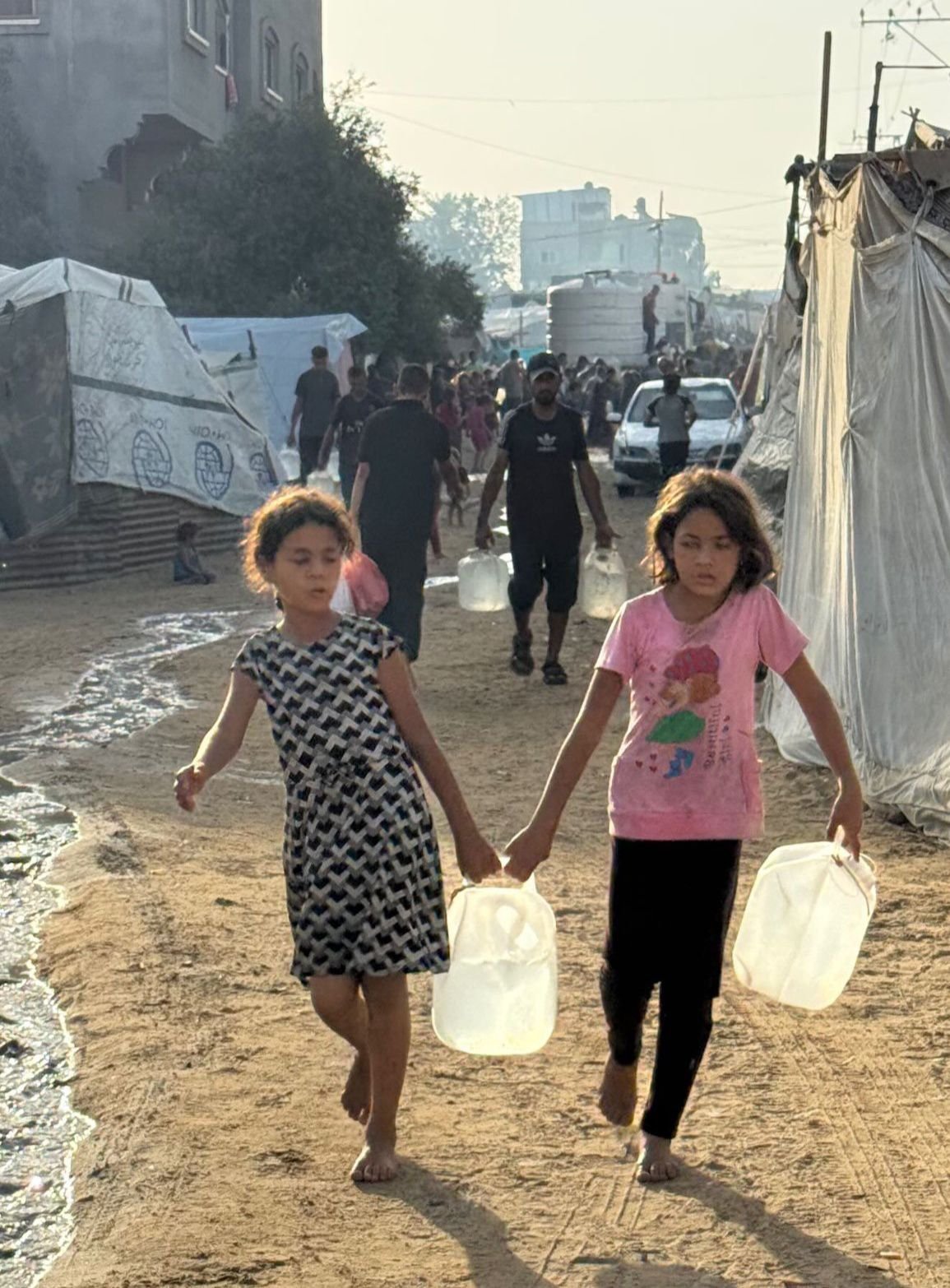
| Water Access per Person | Only 1.5 to 2 liters of clean water per person per day is available. (The WHO minimum for survival is 7.5 liters; for basic needs, 15 liters). |
| Water Contamination | 96% of the aquifer water was undrinkable before the war. Currently, the collapse of sanitation systems has led to contamination from sewage, seawater, and heavy metals. |
| Disease Outbreaks | Cases of acute watery diarrhea have surged more than 25-fold compared to pre-war levels, primarily affecting children under five. High risk of cholera and skin diseases. |
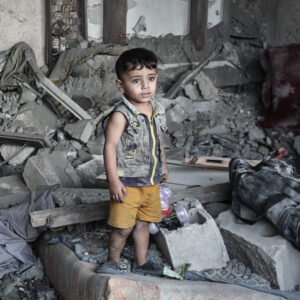
| Infrastructure Damage | Over 70% of water and wastewater infrastructure is damaged or non-operational. Desalination plants and pumping stations are largely shut down due to fuel shortages. |
2. Root Causes and Chain Effects
Direct Destruction & Blockades: Ongoing conflict has directly destroyed wells, pipelines, and treatment plants. A severe blockade on fuel and materials prevents repairs and operation of remaining facilities.
Systemic Collapse: The lack of electricity and maintenance has caused wastewater to flow untreated into streets, the sea, and to contaminate groundwater, the primary source.
Health Catastrophe: The consumption of contaminated water has led to widespread outbreaks of waterborne diseases, overwhelming a collapsed healthcare system.
Long-term Impact: The pollution of the coastal aquifer and soil could take decades to reverse, with devastating consequences for public health and agriculture.
3.Major Challenges
Current Relief: Distributing bottled water and installing small-scale desalination units and bladders in shelters.
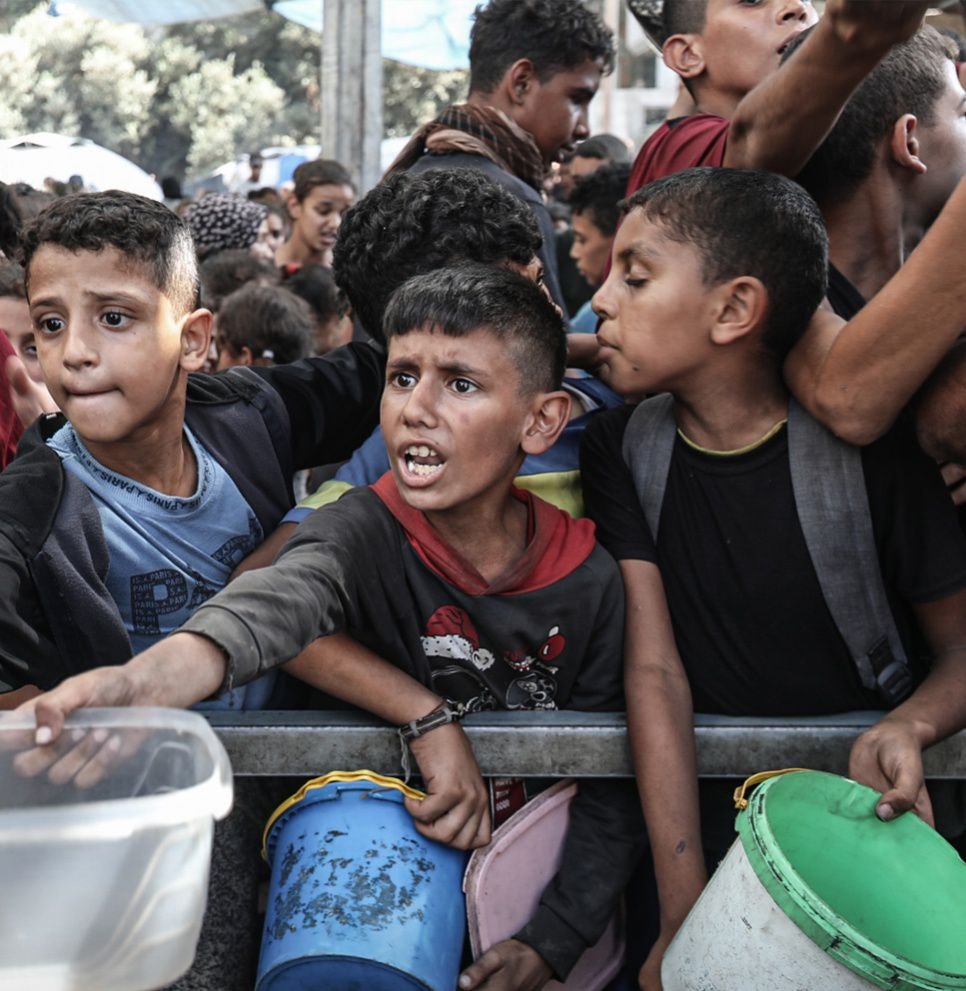
Core Challenges: Continuous hostilities and access restrictions make repairs extremely dangerous and slow. The amount of aid allowed in remains far below the immense level of need.
4. How to Provide Effective Help
For individuals or organizations seeking to help, the most effective actions are:
Fund Specific Supplies: Direct donations towards water purification tablets, household filters, large-scale water storage tanks, or the fuel required to run remaining water plants.
Support Infrastructure Repair: Contribute to appeals specifically aimed at repairing damaged water pipelines, wells, desalination plants, and sewage systems, which is fundamental for a long-term solution.