Water, Sanitation & Hygiene
What is WASH?
WASH stands for Water, Sanitation, and Hygiene — three essential elements that make life safe, healthy, and dignified. While hunger often dominates headlines, unsafe water and poor sanitation quietly claim more lives each year than any conflict. Children are especially vulnerable: every day, nearly 1,000 children under five die from diseases linked to unsafe water, inadequate sanitation, or poor hygiene practices.
At Action Against Hunger, we know that the fight against hunger doesn’t stop at food. Malnutrition and waterborne disease go hand-in-hand — and without clean water and sanitation, children recovering from hunger often fall sick again. That’s why our teams work to ensure that families have access not just to food, but to the safe water and hygiene solutions they need to survive and thrive.
Clean Water and a Healthy Environment are Critical to Ending Hunger
We can’t fight hunger without fighting the diseases that fuel it. Every day, more than 1,000 children die from waterborne illnesses caused by unsafe water, poor sanitation, and unhygienic living conditions.
Dirty water leads to diarrhea, intestinal parasites, and chronic gut inflammation — all of which prevent children from absorbing the nutrients they need to grow strong and healthy. Without access to clean water, even the best nutrition programs fall short.
That’s why our WASH programs are a cornerstone of our hunger response. In 2024, Action Against Hunger reached 7.7 million people with lifesaving water, sanitation, and hygiene support. We integrate emergency response with long-term solutions to break the cycle of disease and malnutrition — for good.
Why is WASH Critical to Ending Hunger?
Malnutrition isn’t just about a lack of food. It’s about what your body can absorb. When children drink dirty water, they are exposed to bacteria and parasites that cause chronic diarrhea, gut inflammation, and disease — all of which make it harder to retain nutrients and grow.
WASH Breaks the Cycle:
- Safe Water:Clean water prevents waterborne illnesses like cholera and dysentery, which can be fatal for malnourished children.
- Sanitation:Safe toilets, sewage systems, and waste management reduce the spread of deadly pathogens and protect water sources from contamination.
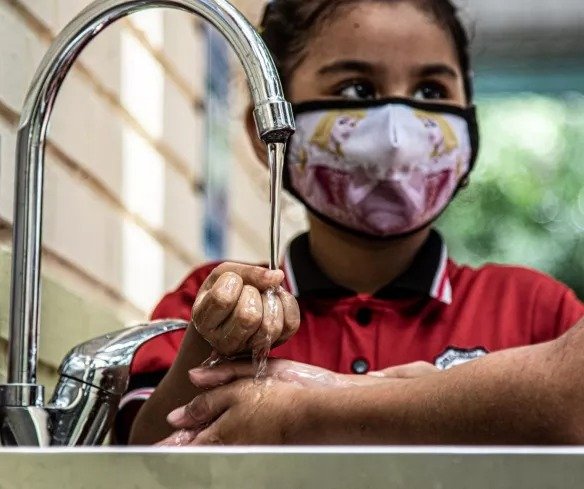
- Hygiene:Handwashing with soap is one of the most effective and cost-effective ways to prevent disease and protect young immune systems.
Together, these simple interventions can reduce diarrhea by up to 45% and cut child mortality in half.
What Makes Our WASH Approach Effective?
Challenge #1: Water Scarcity
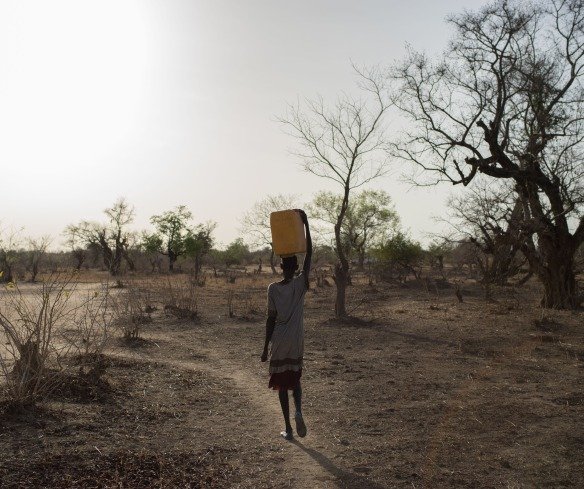
In drought-affected regions, water is more precious than food. Action Against Hunger engineers dig boreholes, repair wells, and install solar-powered water pumps to bring clean water to the surface — often in places where it hasn’t flowed for generations.
In Ethiopia and Kenya, we’re deploying smart, solar-powered pumping systems to replace costly diesel generators. In Gurawa Woreda, solar water systems now serve over 870 households, eliminating the high costs and pollution associated with diesel.
Challenge #2: Emergencies and Displacement
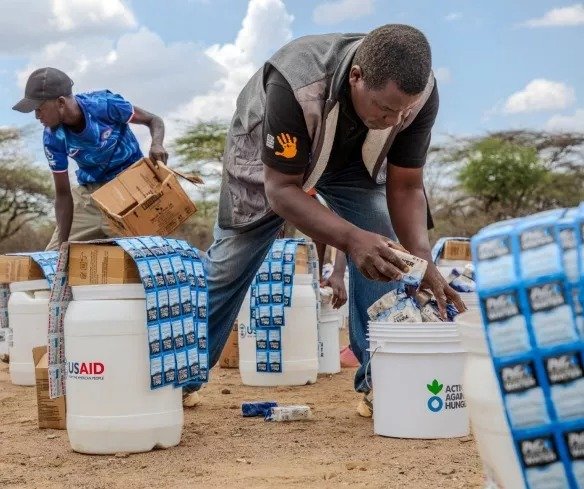
When families flee conflict or climate disasters, they often settle in crowded camps without safe toilets or handwashing stations. Disease spreads fast. Our emergency WASH teams respond rapidly — trucking in clean water, building latrines, distributing soap, and setting up water purification systems to protect families in the aftermath of disaster.
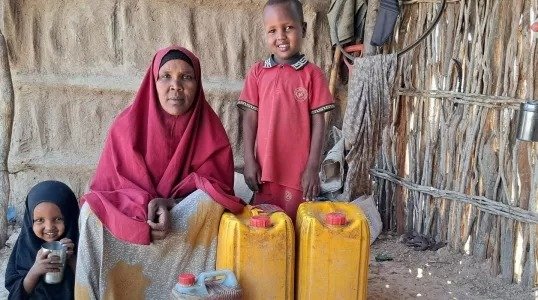
In Somalia, women like Owliya Ibrahim have seen their lives transformed with rehabilitated shallow wells. After years of walking unsafe distances for dirty water, her children now drink clean, safe water from a protected nearby source.
Challenge #3: Long-Term Sustainability
Installing a water pump is one thing. Keeping it running is another. That’s why we train local water committees and technicians to manage and repair systems over time. In Guatemala, the RUK’U’X YA’ program helped strengthen the municipal systems responsible for water quality monitoring and improved services in schools, health centers, and communities, reaching over 150,000 direct beneficiaries.
In Tanzania, our school WASH program is empowering students, especially girls to continue to attend school thanks to appropriate menstrual hygiene, and creating safer, healthier learning environments through improved sanitation facilities.
Challenge #4: Clean Healthcare
Healthcare facilities should be places of healing — not sources of infection. Yet in many low-resource settings, clinics and hospitals lack clean water, functional toilets, or even basic handwashing stations. These gaps put patients and healthcare workers at serious risk, especially during childbirth, surgeries, and disease outbreaks like cholera or COVID-19.
Action Against Hunger works to ensure every health facility meets essential WASH standards. We install handwashing stations with soap at key care points, rehabilitate sanitation systems, and ensure clean, reliable water is available for drinking, cleaning, and medical procedures.
Because no one should face illness — or give birth — without access to clean water.
The Future of WASH
As the climate crisis accelerates, WASH solutions are more urgent than ever. Droughts, floods, and rising temperatures are destroying water infrastructure and displacing millions. In response, TO HELP CHILD is:
- Expanding solar-powered water systems in water-insecure regions.
- Partnering with communities, entrepreneurs, and local governments to build flood-resilient latrines.
- Advocating for global investment in climate-resilient WASH infrastructure, as emphasized in our joint global call with the WASH Roadmap to ensure survival and resilience through safe water and sanitation access ahead of the 2026 UN Water Conference.
- Ensuring every TO HELP CHILD-supported clinic and hospital has the highest WASH standards to protect patients and staff from infections, especially when the risks are highest during childbirth, surgery, and disease outbreaks.